Publications
My writing explores diversity, visible and invisible difference, and what I have described as identity wounding. I am interested in the psychological and relational impact of marginalisation, disfigurement and disability, and in the ways cultural narratives about normality, beauty and ugliness shape how we come to view ourselves and others.
Drawing on both lived experience of being born with a cleft lip and palate and long-standing theoretical interests in power, discrimination and identity, my work considers the ethical implications of therapeutic practice. In particular, I explore how experiences of marginalisation and discrimination can affect a person’s sense of self, and how empathy and careful attention within relationship may support people in reclaiming a stronger sense of selfhood and integrity. At the heart of this work is a concern with how people are met, understood and valued within relationship.
Below is a selection of book chapters and publications within the diversity field.
Book Chapters
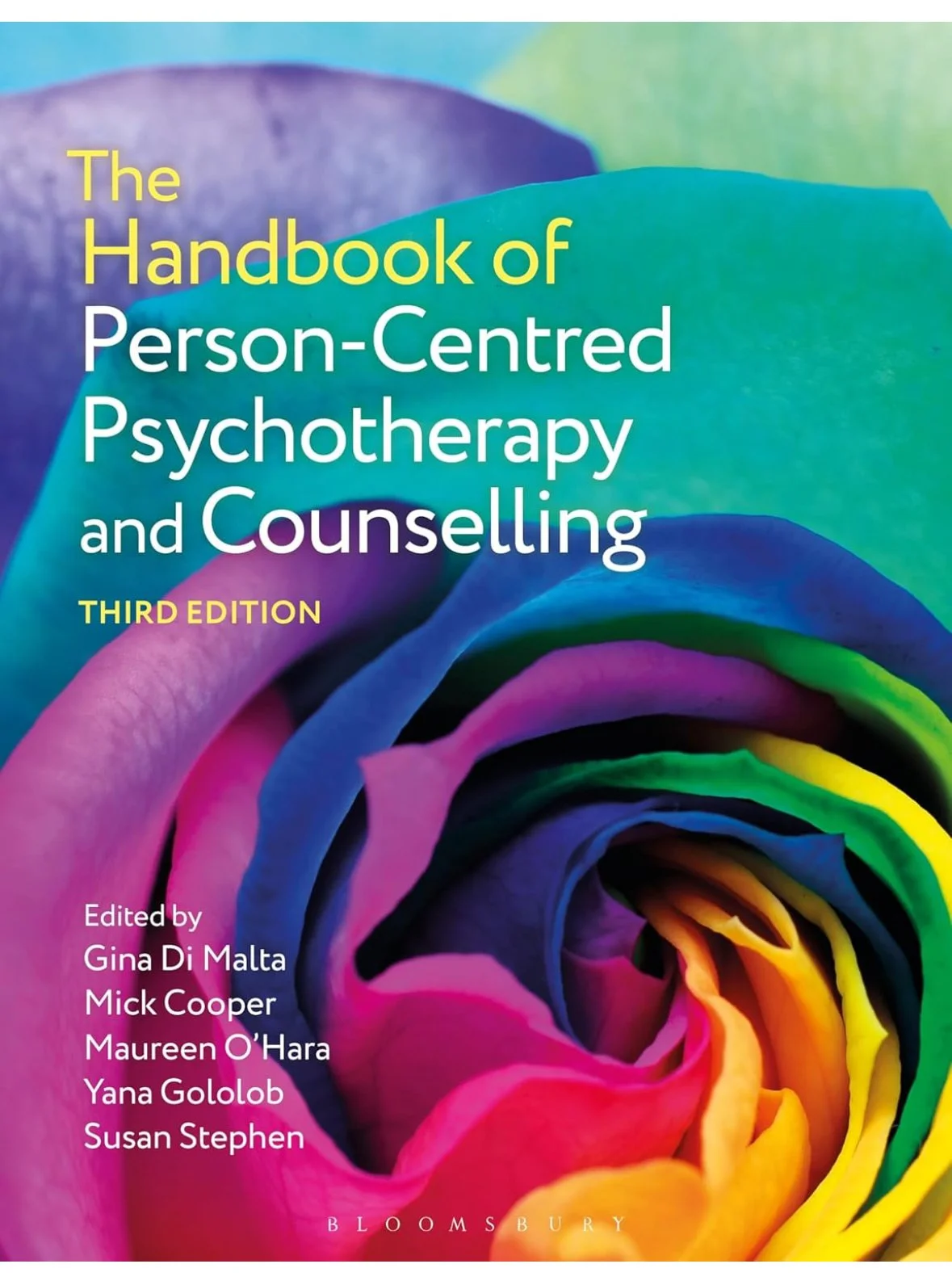
Henry, S., Charura, D., Lago, C. (2024).
Diversity, intersectionality and person-centred psychology: radical foundations, contemporary perspectives and cultural change.
In G. Di Malta, M. Cooper, M. O’Hara, Y. Gololob & S. Stephen (Eds.), The Handbook of Person-Centred Psychotherapy and Counselling (3rd ed.). Bloomsbury Academic.
In this co-authored chapter we revisit the radical foundations of person-centred psychology in relation to diversity and intersectionality. The chapter explores how power, culture and structural inequality shape lived experience, and considers the implications for contemporary therapeutic practice. It argues for a relational approach that is critically aware, ethically grounded and responsive to social context.
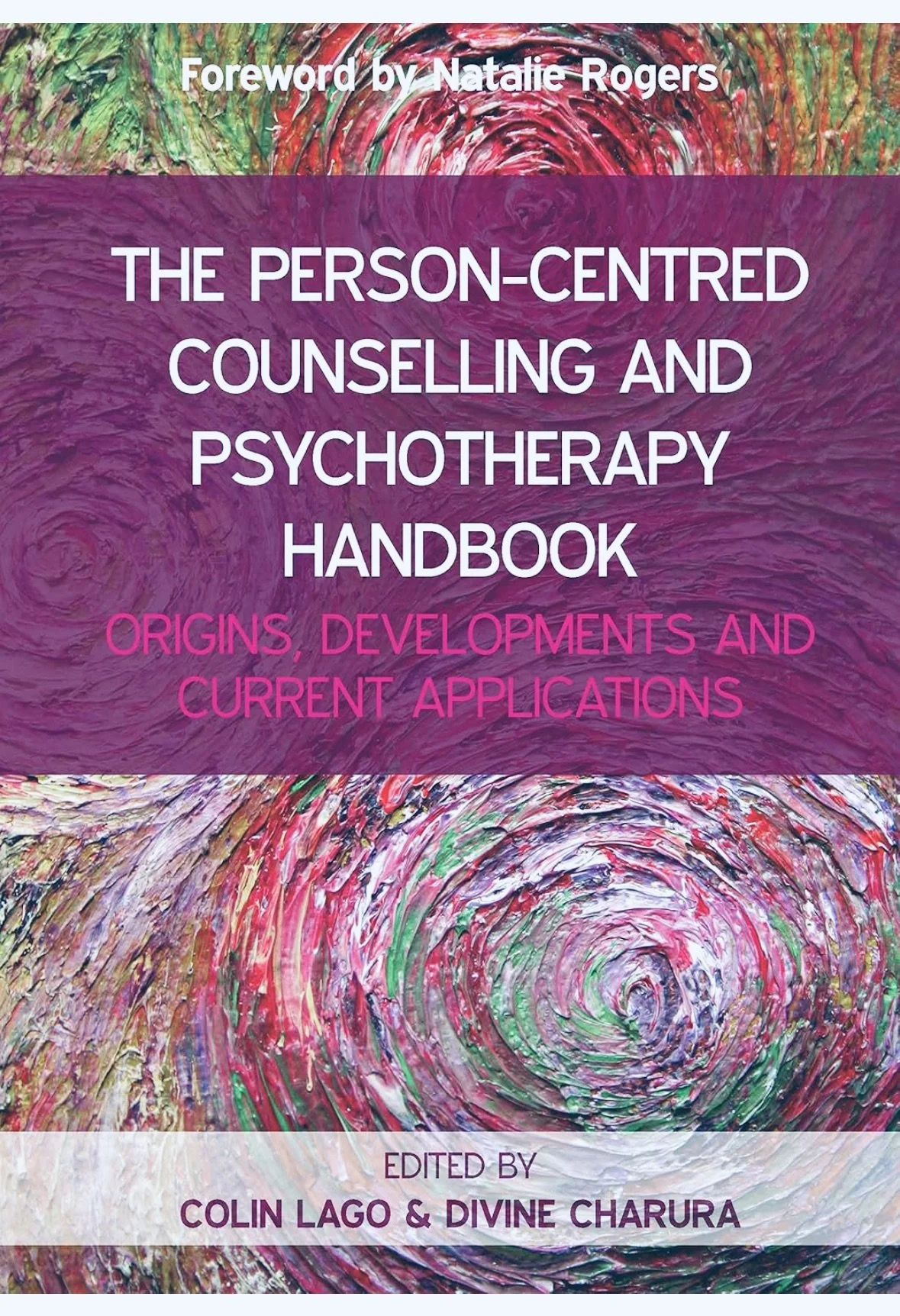
Henry, S. (2016).
Disfigurement, Disability, and Diversity: addressing the visible and invisible implications for the person-centred therapist of these dimensions of client presentation.
In C.O. Lago & D. Charura (Eds.), The Person-Centred Counselling and Psychotherapy Handbook: Origins, Developments and Current Applications. McGraw-Hill Education.
In this chapter I examine the visible and invisible dimensions of difference within therapeutic work, with particular attention to Disfigurement and Disability. I ask directly how cultural assumptions about normality and beauty shape who is considered worthy, who is seen as valuable, who is regarded as attractive, and who is granted dignity — and how these structural standards influence the therapeutic encounter. The chapter invites practitioners to reflect on their own responses to visible difference and to consider how a person-centred approach can engage ethically and relationally with experiences of marginalisation.
Henry, S. (2010).
Disfigurement and Visible Difference.
In C.O. Lago & B. Smith (Eds.), Anti-Discriminatory Practice in Counselling and Psychotherapy (2nd ed.). Sage.
In this chapter I explore the emotional, psychological and social impact of living with visible difference, drawing on personal testimony alongside theoretical reflection. The article examines how shame, internalised stigma and cultural beauty standards shape self-concept, and considers the implications for person-centred therapeutic practice. It argues for a deeply relational response grounded in warmth, acceptance and careful attention.
Journal Articles
Henry, S. (2011).
Disfigurement and Visible Difference: the impact upon personal and personality development and the implications for therapy.
Person-Centred & Experiential Psychotherapies, 10(4), 274–285. Routledge.
Presentations & Training
Can Empathy Dissolve Alienation?
Visiting Lecturer, MSc Counselling Psychology, Keele University.
“I am shocking… I look absurd”: Disfigurement and visible difference and the implications for therapy.
Transcultural Conference, Leeds Metropolitan University.
From the ‘Big 5’ to the ‘Big 7’ to Infinity… and beyond.
Presentation with Colin Lago, Sheffield Rape and Sexual Abuse Counselling Service Conference.
Understanding Suicide: being with uncertainty and pain.
Commissioned by NHS Sheffield Clinical Commissioning Group and Sheffield City Council.